





Spring makes you want more. More walks, more speed, more little stops at every exciting corner. And to be honest, that often means more treats. For a recall, for waiting, for that nice dog encounter, or simply because it's so lovely to see your dog happy. That's normal, and it's just part of this time of year.
But this is precisely where something happens that many only notice when their breath becomes stronger or their gums feel more sensitive. More snacks mean more food residue in the mouth. More walks often also mean more chew toys or more quick treats that can be sticky. And if dental care doesn't keep pace, plaque builds up faster than you might think. Not because you're doing it "wrong," but simply because everyday life is busier in spring.
In this article, we'll explain how to keep your dog's dental care practical in spring , what to consider when choosing treats and chew toys, which small routines really help, and when you should consult your vet. We'll also show you how to gently and stress-free integrate dental care into your daily routine with our emmi-pet ultrasonic toothbrush and engaging activities like snuffle mats.
Why more treats can put more strain on teeth faster
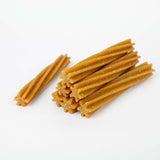
Treats aren't inherently bad for your dog's teeth. However, they do alter the oral environment. The more often a dog eats treats, the more likely small pieces are to get stuck on the teeth and gums. Soft or sticky treats, in particular, tend to accumulate on the molars. These areas, which you don't usually look closely at, are where plaque tends to build up more easily.
The problem is rarely just one treat. It's the frequency. In spring, many people increase their dog's training. The dog receives small rewards more often. This might be supplemented by chew toys in the garden or toys filled with snacks. If this continues for weeks, plaque can build up more quickly and the gums become more sensitive.
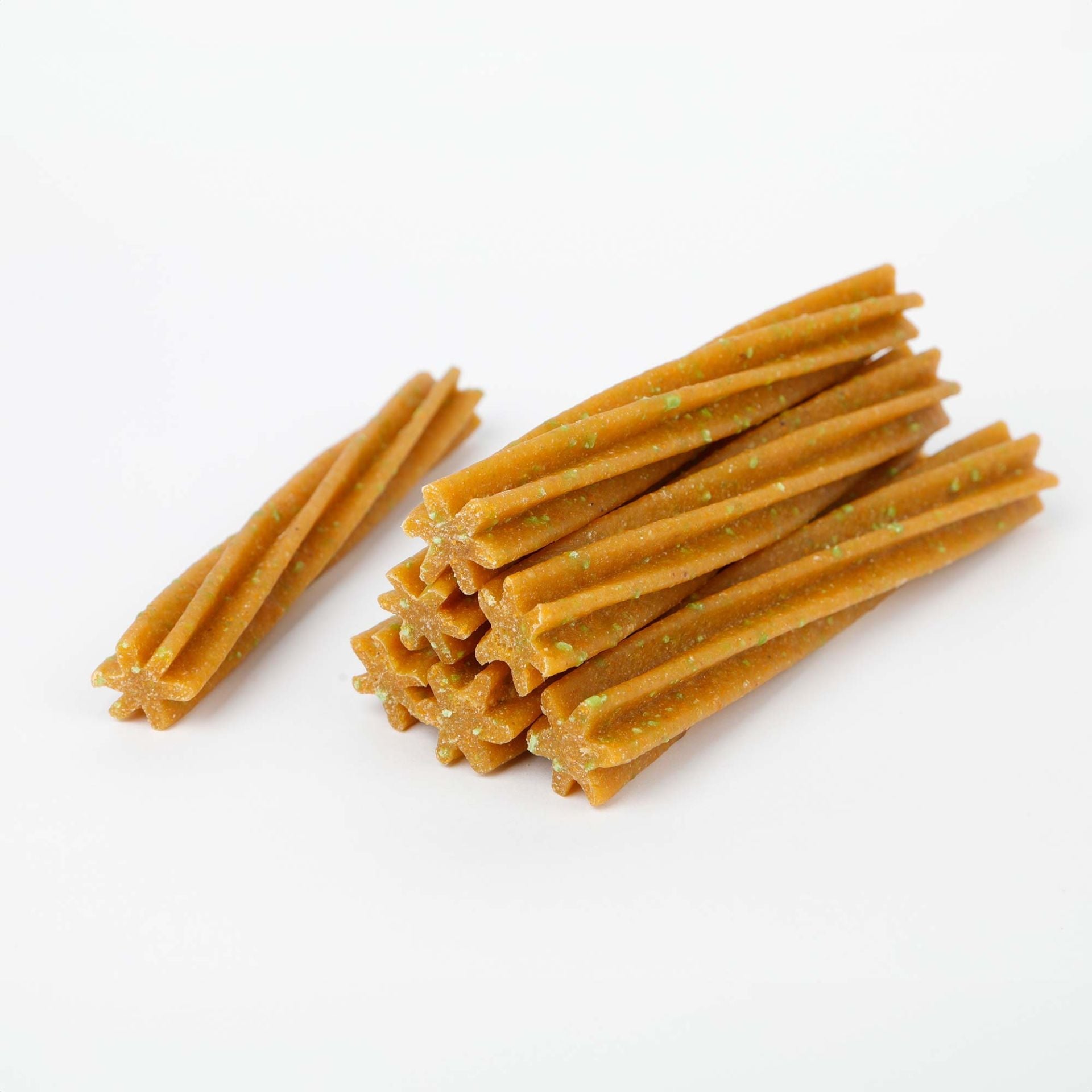
A second point is the chewing itself. Chewing can generally help because it cleans mechanically. However, not all chew products work the same. Some are rather soft and sticky, some are swallowed very quickly, and some dogs hardly chew at all, but rather swallow. In these cases, the effect on the teeth is less than expected. This doesn't mean that chewing is useless, but it does mean that dental care remains the foundation.
Dog dental care? What really helps: the basic routine that works in everyday life
If you search for "dog dental care," you'll find countless tips: chew toys, powders, sprays, home remedies. But if we're honest and realistic, one thing remains fundamental: regular teeth cleaning. Not perfect, not complicated, but consistent. Dental care only truly helps when it's done regularly, preventing plaque from even having a chance to build up.
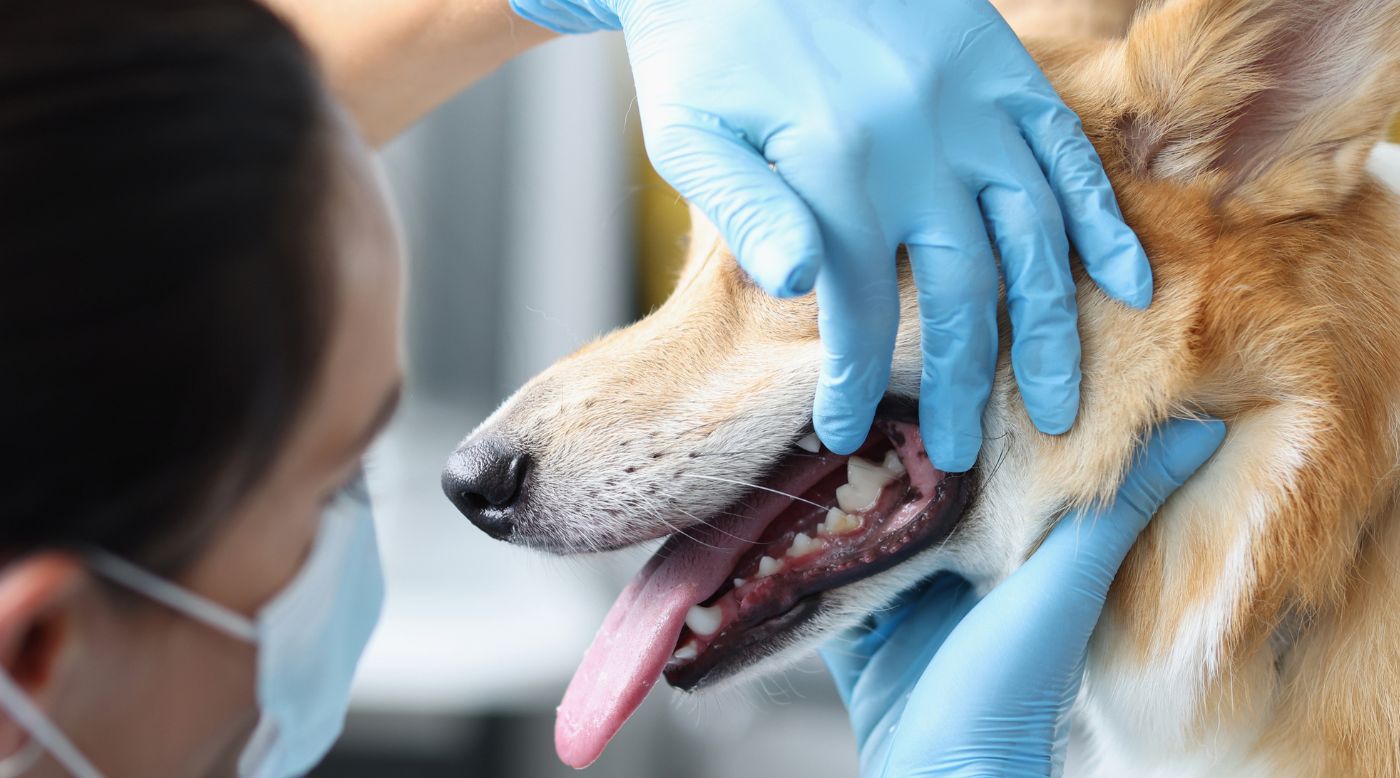
Many people, however, fail at the process. The dog doesn't allow it. He's restless. He doesn't like it. And that's precisely why the most important step isn't the product, but the approach. Start small. First, briefly touch his muzzle, then gently lift his lips, then touch just two teeth, then pause again. You want your dog to learn: This isn't threatening. For us, dental care is a mini-ritual that provides reassurance.
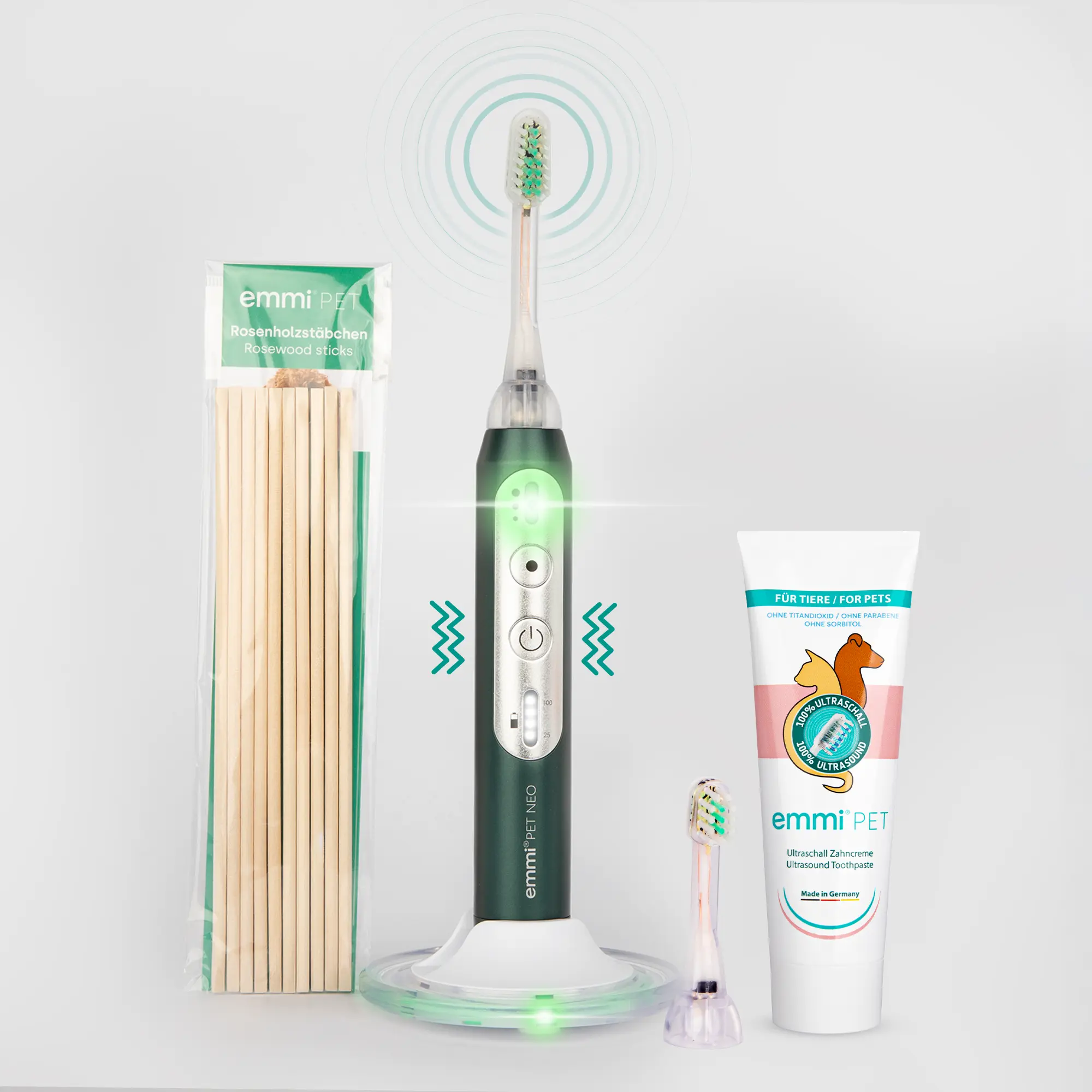
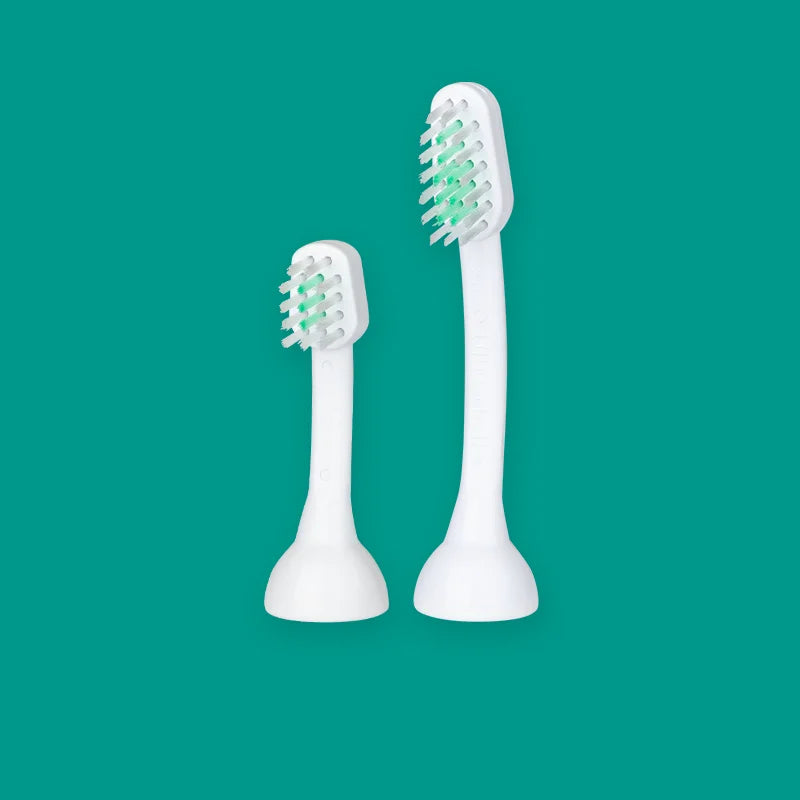
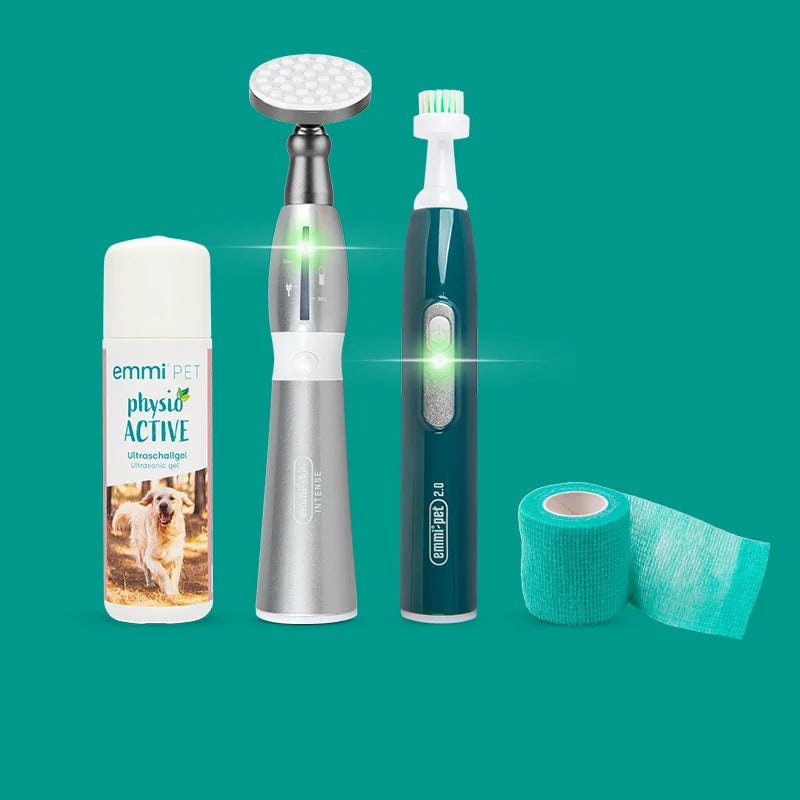
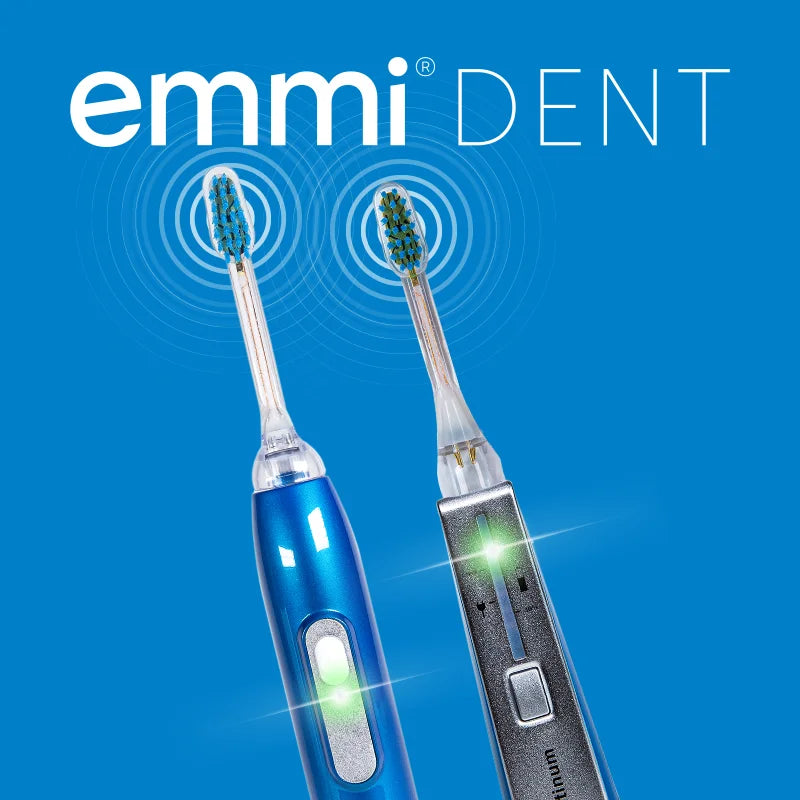
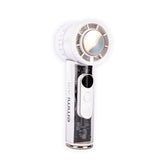
Our emmi-pet ultrasonic toothbrush is a great fit here because it's particularly gentle to use. You don't have to scrub or rush; instead, you can start gently and work step by step. This gentleness is a real advantage, especially for dogs who quickly resist traditional brushing. A dental care routine is only effective if your dog tolerates it and you can consistently stick to it. And that often requires less pressure and more patience.
A practical rule of thumb for spring is: when there are more treats around, it's worth paying more attention to dental care. Not an hour every day, but rather a few minutes regularly, whenever it suits you. This stabilizes the oral flora, reduces plaque, and also helps prevent bad breath from becoming an issue in the first place. As a bonus, it also strengthens your bond.
Snuffle mats and enrichment: more joy, less constant snacking stress
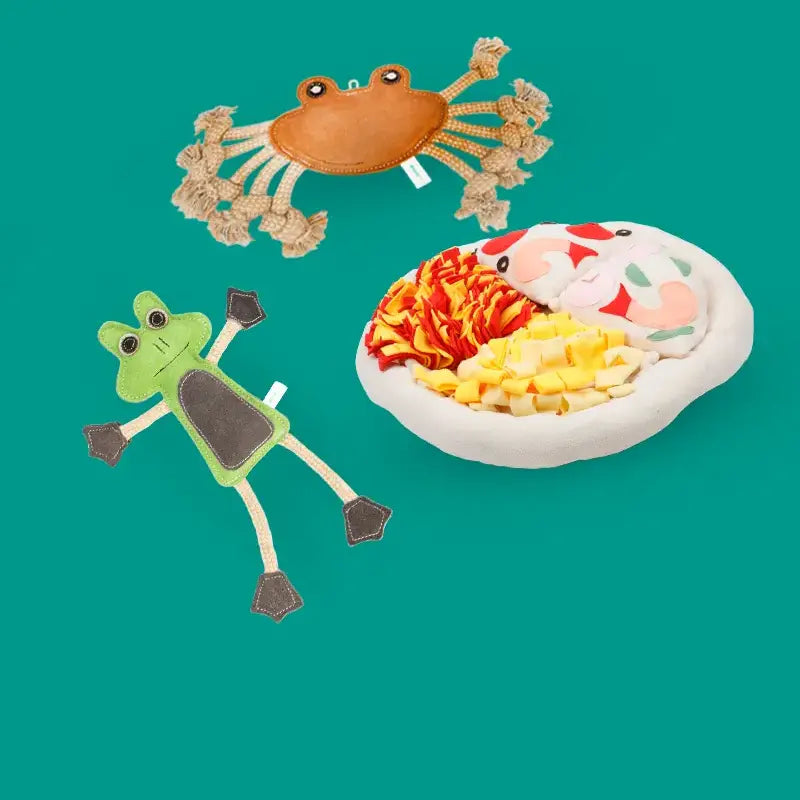
When spring arrives, training sessions and rewards often increase. That's great, but constantly having snacks in their mouths can put strain on their teeth. Our snuffle mats are a fantastic alternative because they provide enrichment without automatically increasing the amount of treats. You can work with very small portions, extend the training time, and give your dog a task that calms them down. For many dogs, nose work is like a mini spa treatment.
The benefit isn't just mental. Many dogs become more relaxed overall when sniffing. And when a dog isn't constantly in "food in, food out" mode, its mouth gets more breaks. Breaks are important for the oral environment because they allow saliva flow and balance to stabilize more effectively. This doesn't mean that snuffle mats replace dental care. But they do help to structure springtime so that dental care doesn't have to compete with a constant stream of snacks.
Spring routine: how to combine walks, treats and dental care without stress
Spring is a busy time, and that's precisely why you don't need a perfect dental care strategy, but rather one that fits into your real life. You want to have fun outdoors, exercise, reward yourself, and be out and about. And you don't want to feel like you have to "make up for everything" every time you get home. The best routine is one that's small enough to actually do, yet consistent enough to be effective.
A good start is to distribute treats more consciously, without having to reduce them like in a diet plan. Often it's enough to choose less sticky snacks, break larger rewards into smaller pieces, and group training sessions instead of feeding throughout the entire walk. This gives the mouth breaks in between. And breaks are invaluable for the mouth, because they allow time for saliva production and natural cleaning.
For dental care itself, a set time each day is helpful. Many owners find it beneficial to do it in the evening after the last walk, when the dog is calmer. It shouldn't be a big ritual, but rather a short, quiet minute. Our emmi-pet ultrasonic toothbrushes fit perfectly into this routine because you can work without scrubbing, and your dog won't feel like anything harsh is happening in their mouth. Dental care should feel more like care and affection.
If you're looking for additional enrichment that won't automatically lead to an explosion in snack consumption, our snuffle mats are a great option. You can use them to keep your dog occupied for longer while requiring less food. This supports a more dentally friendly spring routine, as there will be less sticky residue constantly ending up in their mouth.
And then comes the most important point: Pay attention to your gut feeling. If you notice that your dog's breathing is becoming heavier, that their mouth is more sensitive, or that their gums appear red, this is a sign that you should make the routine a bit more consistent again. The sooner you react, the easier it will be to maintain. And often, just a few days of consistency are enough to calm things down again.