















Winter noticeably changes our dogs' daily lives. Walks become shorter, exercise shifts indoors, and routines change. Many owners focus primarily on their dogs' fur, paws, and joints during this time. What is often overlooked, however, is that dental health also suffers significantly more in winter than in summer.
Especially in January, many dog owners notice that plaque builds up more quickly, their breath smells stronger, or the first hard deposits appear on their teeth. Tartar doesn't form suddenly , but develops gradually: promoted by several winter-typical factors that coincide at this time.
In this article, we explain why dogs are particularly prone to tartar buildup in winter , the role that exercise, saliva flow, diet and environment play, and how you can counteract it with gentle dental care before plaque becomes a permanent and really big problem.
Tartar is the result of a gradual process.
Tartar doesn't form suddenly or overnight. It always starts with plaque. This soft biofilm forms daily on the teeth and consists of saliva components, food debris, and bacteria. As long as plaque remains soft, it can be removed relatively easily, either through natural cleaning or dental care.
Problems arise when plaque remains on the teeth for an extended period. Minerals from saliva then begin to be deposited. The initially soft coating hardens, adheres increasingly firmly to the tooth surface, and becomes tartar. From this point on, it can no longer be removed through normal oral hygiene without a veterinarian and professional dental cleaning.
How quickly this process occurs depends heavily on the dog's daily routine. Saliva production, drinking habits, exercise, feeding, and dental hygiene all play a crucial role. This is precisely where the season and winter come into play, as many of these protective factors are significantly reduced during the colder months.
Less exercise, less fluid intake, and a changed environment all contribute to plaque persisting longer. The body has fewer opportunities for natural self-cleaning. What is often compensated for in summer can develop unchecked in winter, which is precisely why tartar often forms more quickly than expected during this time.
Less natural wear and tear due to altered movement
Exercise not only benefits muscles and joints, but also dental health. Walking, playing, and chewing stimulate saliva production. Saliva is a key protective factor in the mouth , as it washes away food particles, neutralizes acids, and helps keep bacterial plaque in check.
In winter, some of this natural support is lost. Walks are shorter, playtime is reduced, and many dogs spend more time resting indoors. This directly affects saliva production. When less saliva is produced, food particles and bacteria remain on the tooth surfaces for longer.
At the same time, the mechanical stimuli that occur naturally in summer are absent. Running, playing, and more intensive chewing normally support the self-cleaning of teeth. Without these impulses, soft plaque can accumulate more quickly. If it persists, it gradually hardens into tartar.
This process is gradual and often goes unnoticed in everyday life until late. Especially during the winter months, when several quiet weeks coincide, it suddenly becomes apparent how quickly plaque can develop.
Softer lining changes the mechanical cleaning process.
Diet also plays a crucial role in tartar formation. Many dogs' food is deliberately adjusted in winter. Softer meals, lukewarm food, or moister consistencies are intended to ease the dog's digestive discomfort and make eating more pleasant. While this is beneficial in many cases, it can negatively impact dental health.
Soft food barely cleans teeth mechanically. It glides over the tooth surfaces instead of rubbing against them. At the same time, it adheres to teeth more easily and tends to accumulate at the gum line. Plaque forms particularly quickly there because bacteria can easily adhere to it.
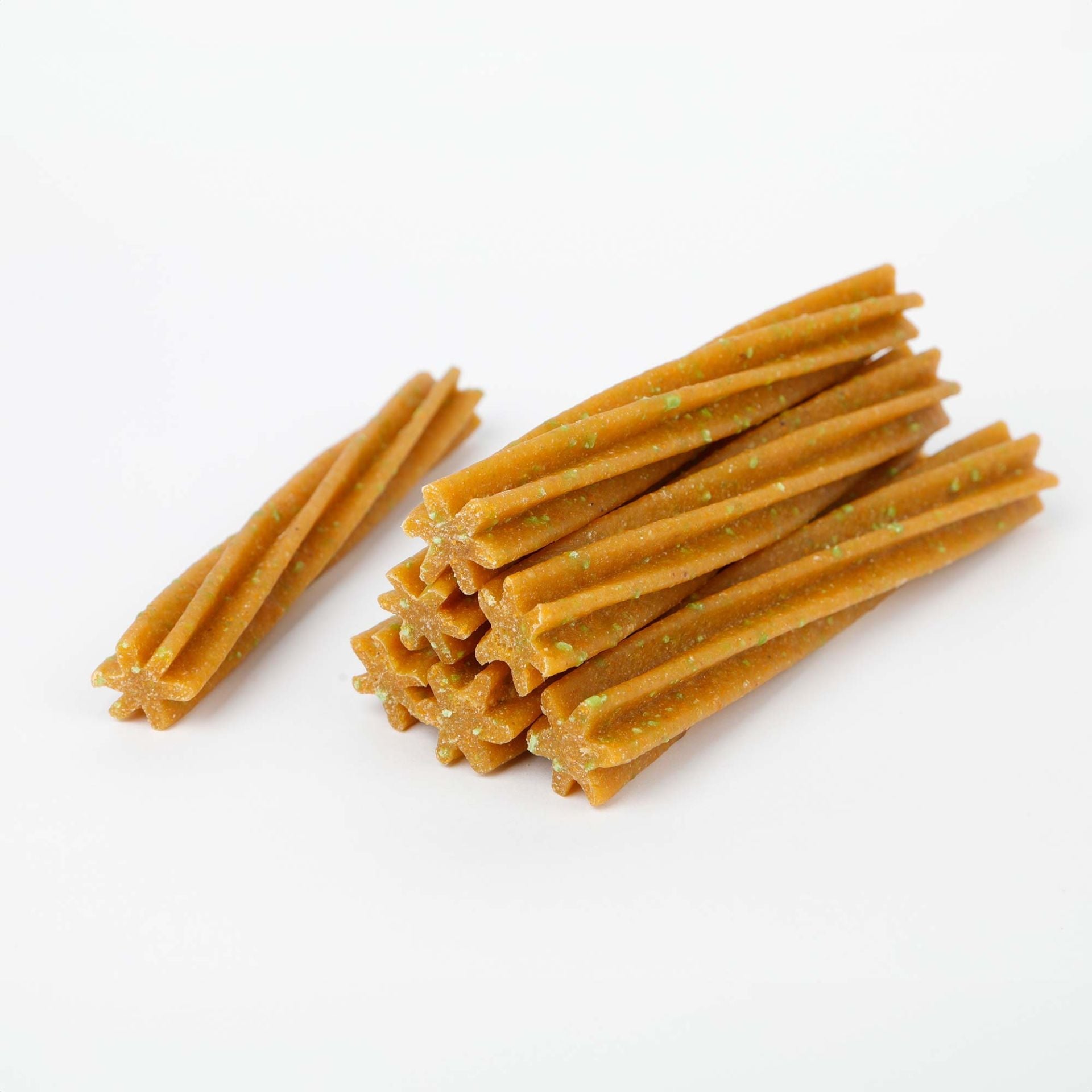
Furthermore, many dogs chew more slowly and less thoroughly in winter. The natural friction that occurs with firmer food or vigorous chewing is absent. The self-cleaning effect in the mouth is further reduced , allowing soft plaque to build up undisturbed. If this plaque persists, tartar buildup is often a short step.
More rest means less self-cleaning in the mouth
Winter is a time of rest for many dogs. They sleep more, move less, and their entire metabolism slows down. These changes also affect the oral cavity, particularly salivation.
Saliva plays a crucial protective role. It washes away food debris, buffers acids, and maintains a stable bacterial balance in the mouth. If saliva flow decreases, plaque persists longer , and bacteria can multiply more easily. The natural self-cleaning mechanism becomes less effective.
Dry air from heating systems further intensifies this effect. It draws moisture from the mucous membranes, causing the mouth to dry out more quickly and disrupting the natural protective system. This combination creates ideal conditions for plaque and tartar buildup.
These factors interact particularly during the winter months. Less exercise, changes in diet, and dry air mean that the oral cavity needs more support than usual.
Tartar is more than just a cosmetic problem.
Tartar is not just a cosmetic change to the teeth. It permanently alters the surface of the teeth , creating rough structures to which new bacteria can easily adhere. This creates a cycle in which plaque forms again and again at an ever-increasing rate.
The gums often react sensitively to this constant strain. They can become irritated, inflamed, or slowly recede. This process is gradual and often goes unnoticed for a long time in everyday life. The problem only becomes apparent when bad breath worsens or the dog becomes more sensitive when chewing.
Many dogs show subtle changes during this phase. They chew more cautiously, avoid certain types of food, or seem less relaxed while eating. Especially in winter, when the body is generally more sensitive , such stresses affect their well-being more quickly than in more active seasons.
Why prevention is crucial in winter
Since tartar always forms from plaque, the most important approach is the regular removal of this soft deposit before it can harden. In summer, exercise, more intensive chewing, and a more active lifestyle take over some of this work automatically.
In winter, many of these supporting factors are absent. Less exercise, dietary changes, and reduced saliva production mean that plaque persists longer. Relying solely on natural abrasion is no longer sufficient.
That's precisely why winter is a crucial time for prevention. Targeted support now can prevent tartar from building up unnoticed and requiring costly treatment later. Prevention is significantly easier and gentler at this stage than later correction.
Gentle ultrasonic dental care as a supplement to everyday life
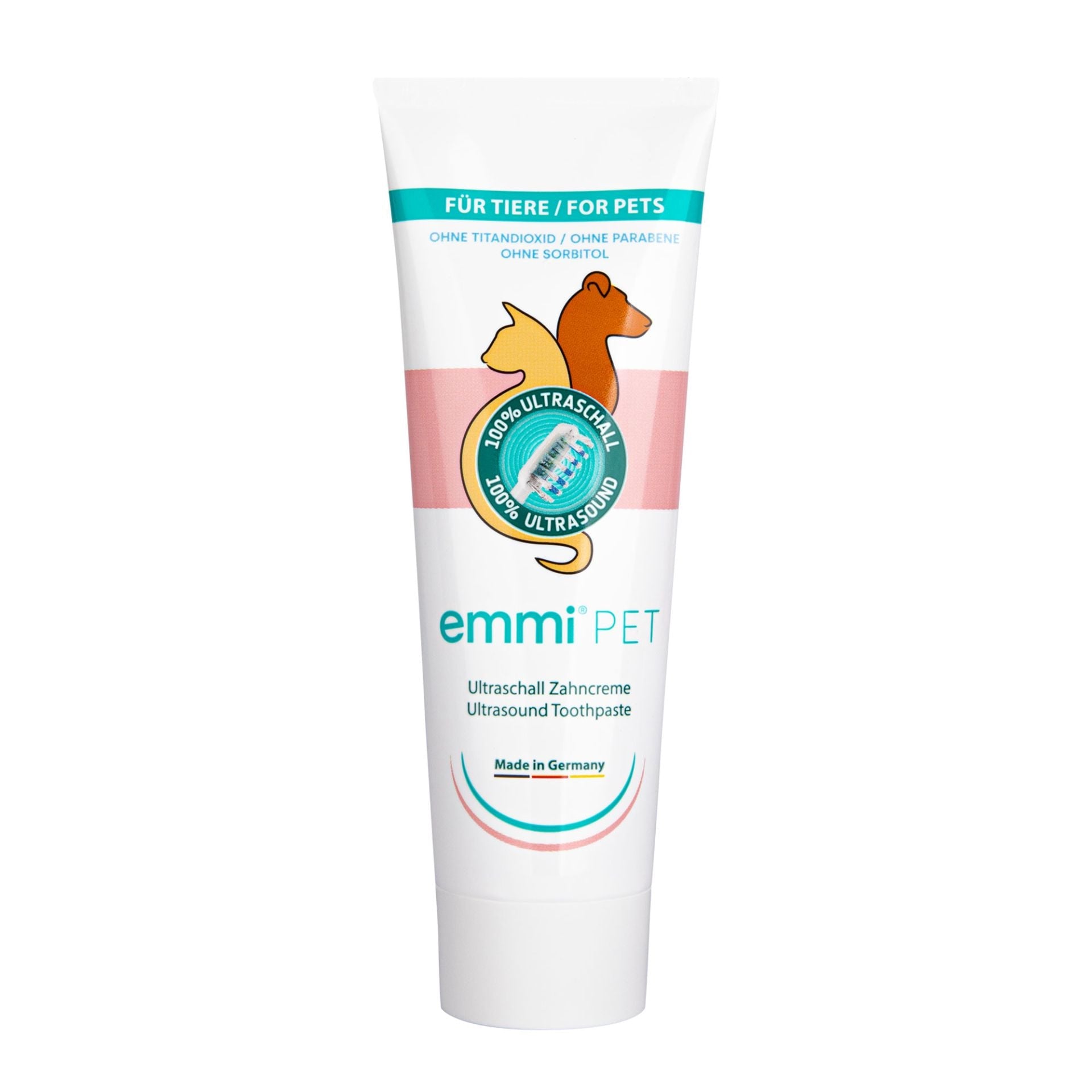
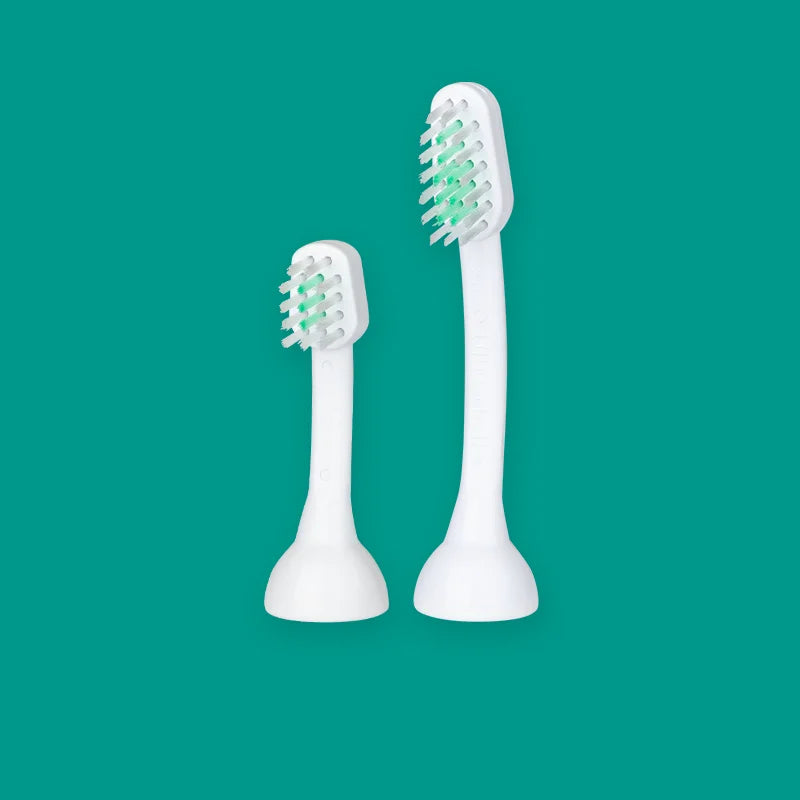
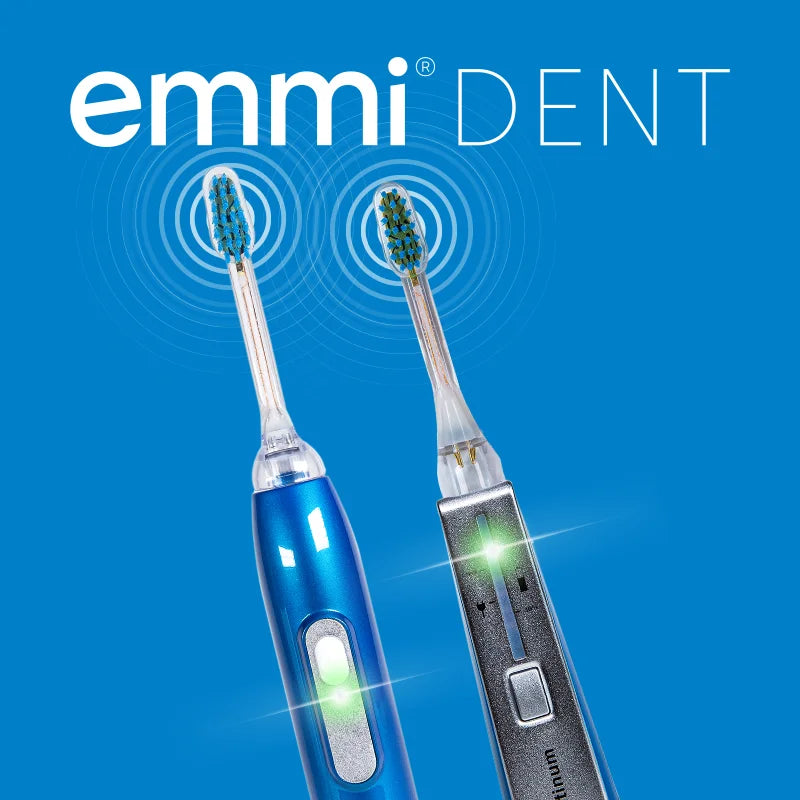
Effective dental care in winter must work regardless of activity level. It should be thorough without creating additional pressure or stress. This is precisely where our emmi-pet ultrasonic toothbrush comes in.
It works without mechanical scrubbing or pressure. The ultrasound acts directly on the biofilm, reducing harmful bacteria even in hard-to-reach areas such as the gum line or between teeth. Tooth enamel and sensitive gums are not affected.
Especially in winter, when teeth are more sensitive and dogs are generally calmer, this form of dental care is particularly well accepted. It compensates for the lack of natural abrasion , supports daily biofilm reduction, and helps to slow down tartar buildup in the long term.