












Many dog owners are familiar with this phenomenon: In winter, often quite suddenly, a dog's breath smells stronger than usual. It's noticeable when cuddling on the sofa, when the dog yawns, or when it gets very close. It's not necessarily foul or sick, but definitely more pronounced than in the warmer months .
What many people don't know: In most cases, bad breath in dogs during winter has harmless, easily explainable causes. It doesn't result from poor grooming or illness, but from a combination of environmental factors, altered routines, and a more sensitive oral environment. This is precisely why it can be addressed gently and effectively, without stressing the dog or resorting to drastic measures .
In this article we explain why dogs are more prone to bad breath in winter , what role heating air, drinking habits and chew toys play, and how you can ensure fresh breath with small adjustments and gentle dental care .
Winter changes more than just the weather.
January brings a whole host of changes for dogs. Walks are often shorter, take place more frequently in the dark, and are generally calmer. The air is cold outside, and the heating is on inside. The daily routine shifts, and with it, many small habits.
Many dogs drink less in winter because they are less active and less likely to develop a strong sense of thirst. At the same time, they spend more time indoors and are given more chew toys, treats, or enrichment snacks to combat boredom or provide quiet moments.
All these factors directly affect the oral cavity. What appears harmless from the outside alters the internal balance in the mouth . And this is precisely where winter breath odor begins, often gradually and initially barely noticeable.
Drinking less means less protection in the mouth
Saliva plays a crucial role in your dog's oral health. It washes away food particles, regulates the bacterial balance, and keeps the mucous membranes moist. Saliva is therefore a natural protective mechanism that keeps the oral cavity clean and balanced.
In winter, however, many dogs drink significantly less. The reasons for this are usually quite simple. Less exercise, cooler temperatures, and a reduced sense of thirst mean that the water bowl is left untouched more often. At the same time, the warm, dry air from heating systems further dries out the mucous membranes. The mouth loses moisture, and saliva production decreases.
If this protective mechanism is compromised, bacteria have an easier time multiplying. Food particles remain on teeth and gums longer, and odor-causing germs can proliferate more rapidly. Breath becomes more intense, often without any underlying illness. Wintertime bad breath in this case is not caused by neglect, but by a natural imbalance.
That's precisely why it's important to consciously support oral health in winter. Drinking enough fluids, regularly checking your mouth, and gentle dental care help restore the natural balance – calmly, gently, and without pressure.
Chew toys – useful, but not without problems
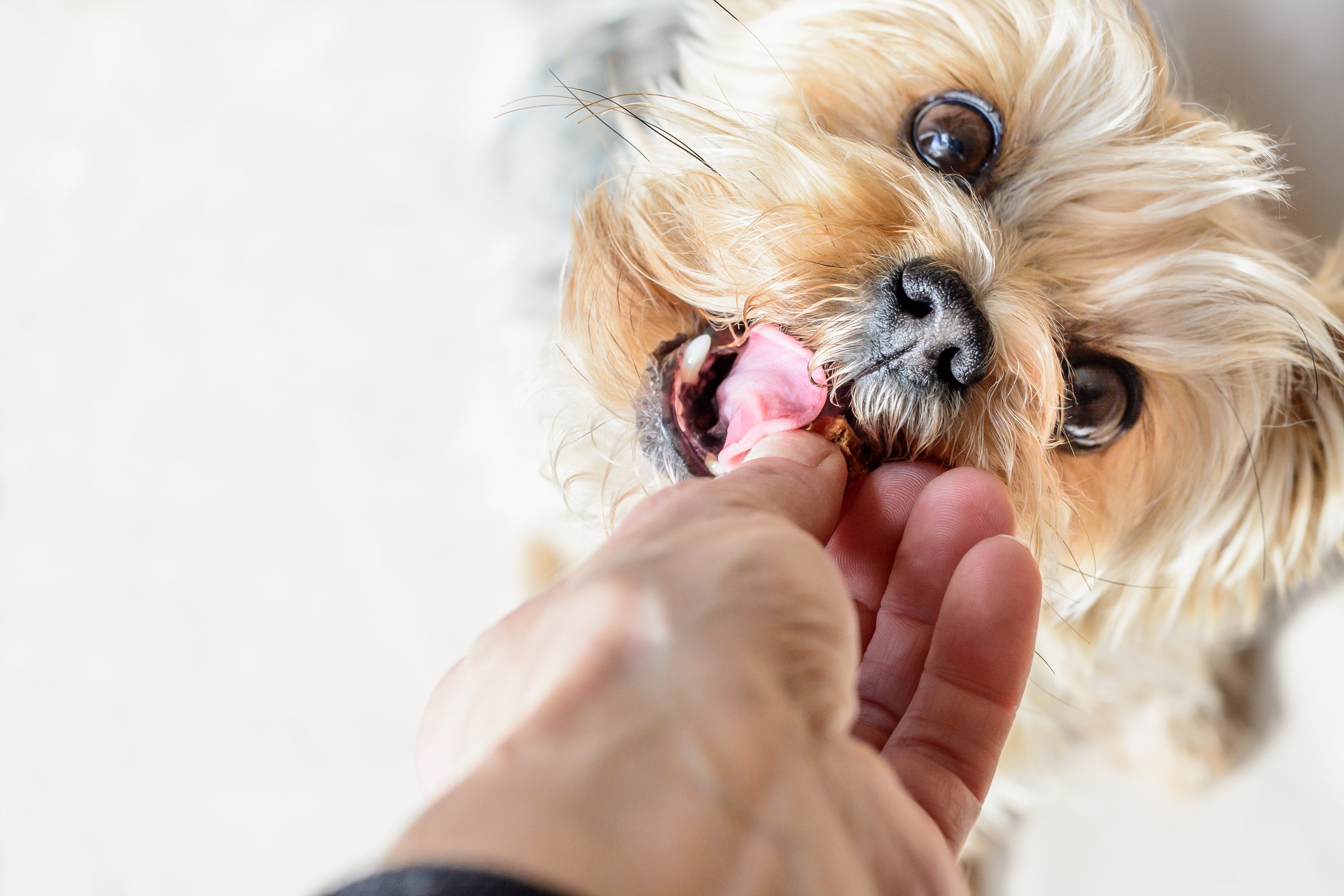
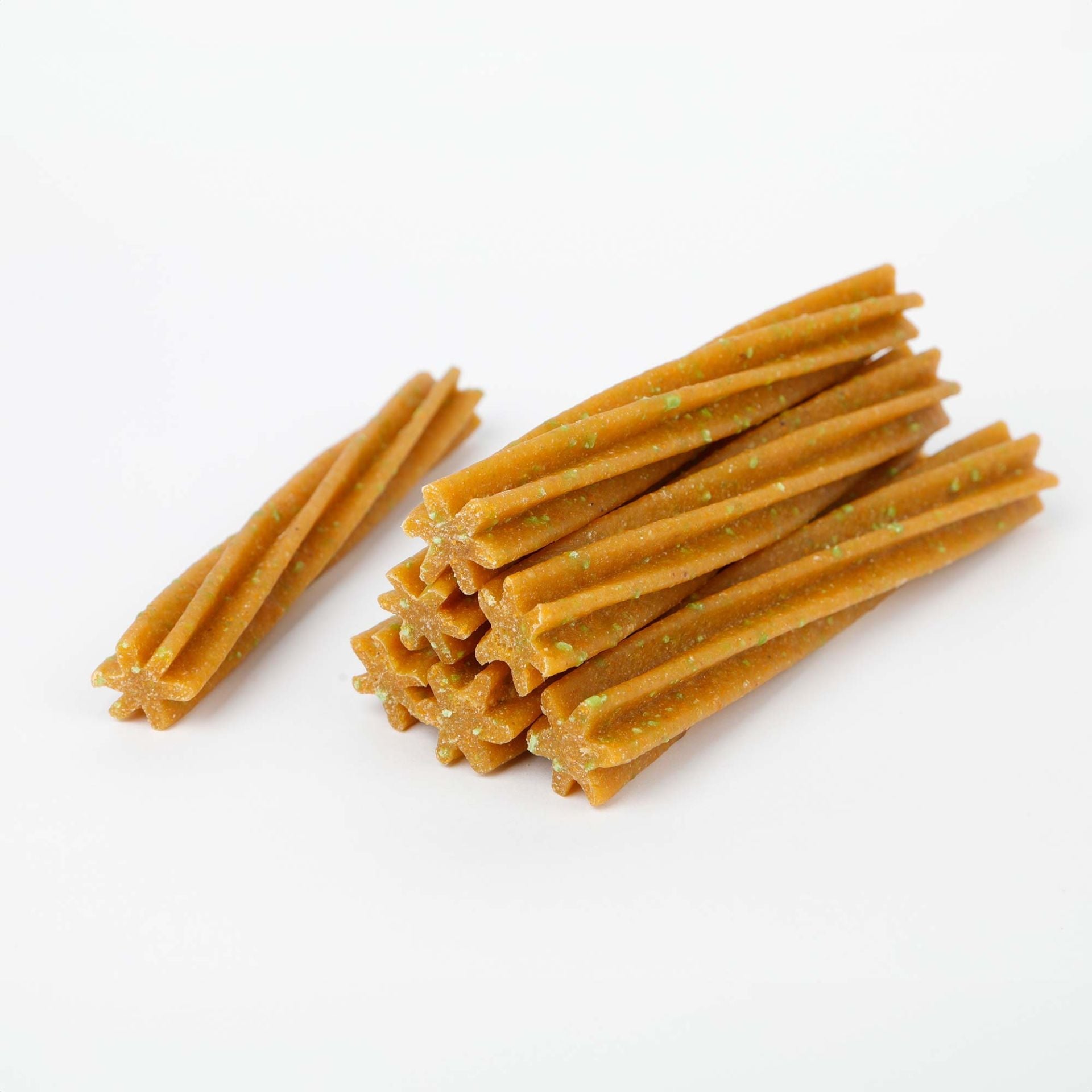
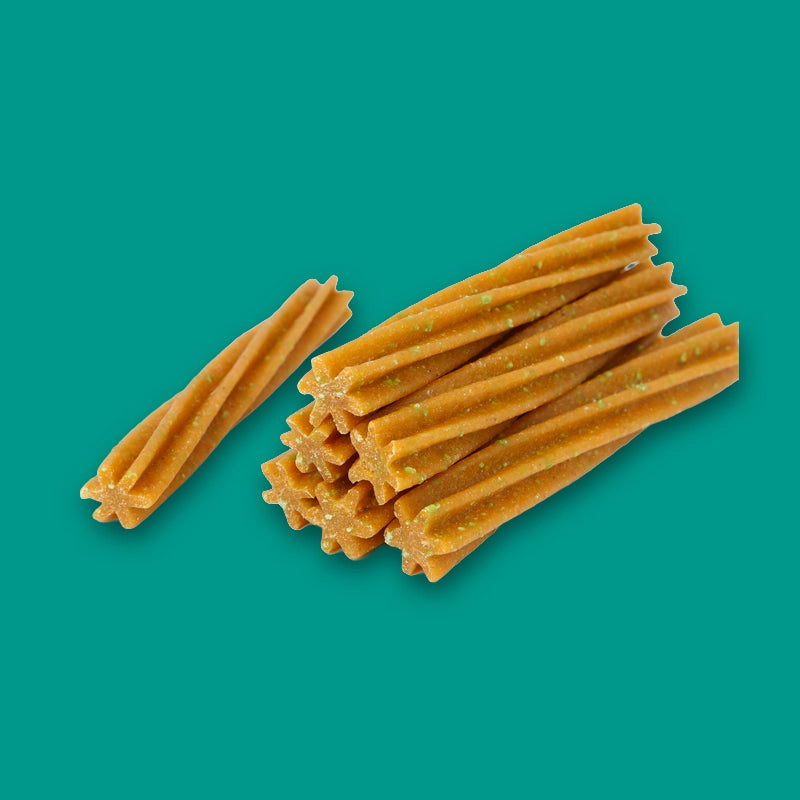
Chew toys are an essential part of everyday life for many dogs, especially in winter. They keep them occupied, have a calming effect, and help reduce stress or boredom when there's less to do outside. Chewing itself is also important, as it stimulates saliva production and thus supports the natural cleaning of the mouth.
At the same time, chew toys are not automatically good for your teeth . Many products contain animal proteins, fats, or plant-based ingredients that can easily get stuck between teeth and along the gum line. Particularly soft, sticky, or highly processed chew toys often remain on teeth longer than expected.
This effect is intensified in winter. When dogs drink less and saliva production is already reduced, food residue is less effectively removed. Odor-causing bacteria find ideal conditions to multiply. The breath becomes more intense, often gradually and initially barely noticeable.
Furthermore, dental care often takes a backseat for some dogs during the winter months . More rest, more cuddle time, less activity, and therefore less focus on regular oral hygiene. However, chew toys alone are not enough to keep teeth and gums clean.
This doesn't mean that chew toys should be avoided altogether. The key is responsible use. Quality, frequency, and accompanying dental care play a central role. Those who use chew toys judiciously and combine them with gentle, regular dental care can retain their benefits without compromising oral health.
Dry air irritates mucous membranes and gums.
The combination of cold outdoor air and dry indoor heating puts a particular strain on the mouth in winter. While there's a lack of moisture outside, the warm air in living spaces further dries out the mucous membranes. This affects not only the skin and paws, but also your dog's gums and oral mucosa.
A dry mouth is more sensitive. The natural protective film becomes thinner, the gums react more sensitively to bacteria, and minor irritations can develop more quickly. At the same time, a dry mouth often smells stronger , even in the absence of inflammation or serious illness. This further intensifies the wintertime odor on the breath.
Sensitive dogs are particularly sensitive during this time of year. Some withdraw, while others show signs of stress more quickly when they are uncomfortable. Therefore, it is especially important in winter to reduce stimuli and instead focus on calm, familiar routines .
Pampering rituals as a soothing part of everyday winter life
Winter is the ideal time to consciously integrate grooming rituals into your daily routine. When less is happening outside, indoors there's more space for closeness, peace, and affection. Dogs don't just perceive grooming as functional, but often as very pleasant , because it conveys attention, touch, and security.
Gentle grooming has a calming effect. It reduces stress, strengthens the bond, and gives the dog the feeling of being seen and cared for. These moments become especially important in winter when external stimuli are scarce. Many dogs enjoy being brushed, having time spent with them, or being spoken to calmly.
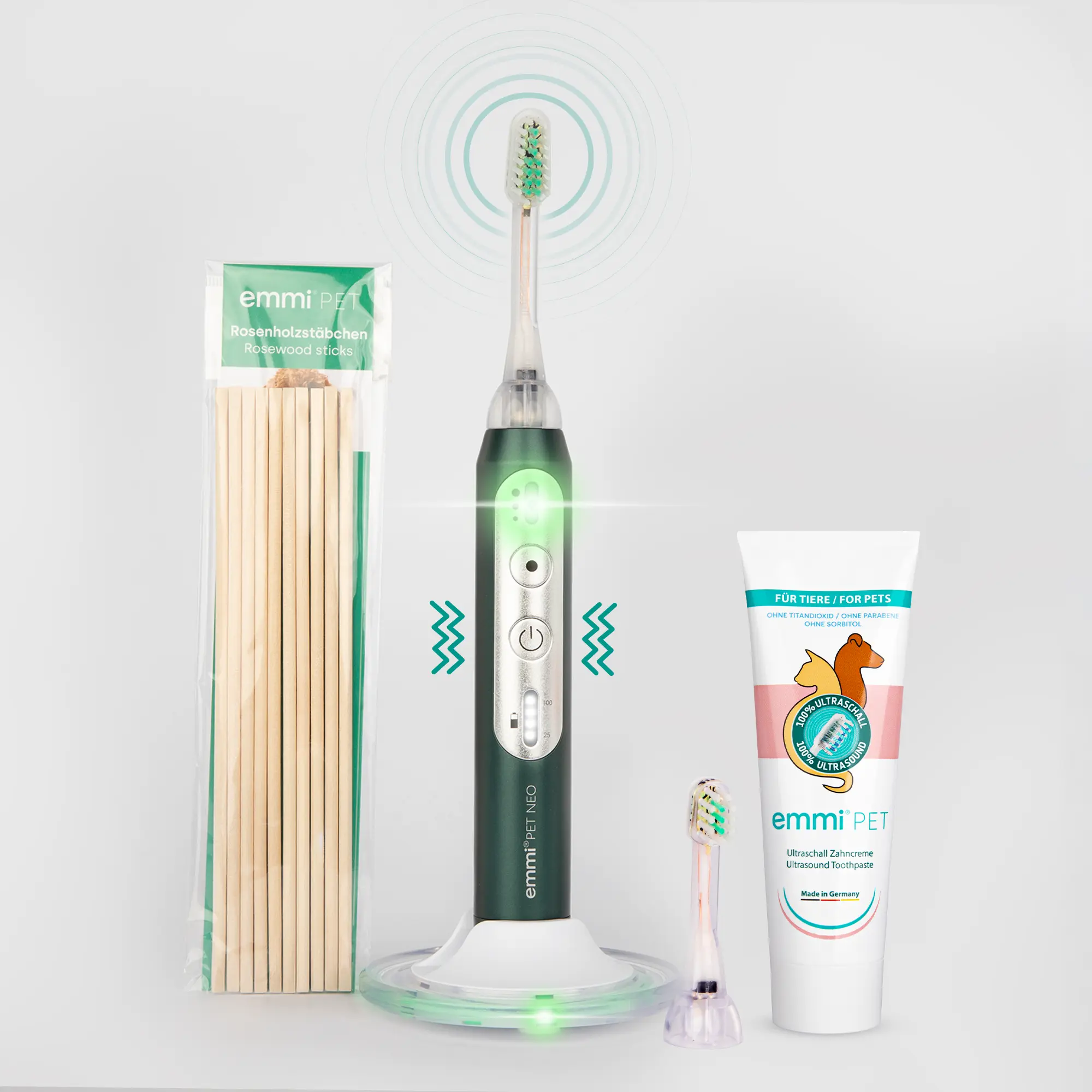
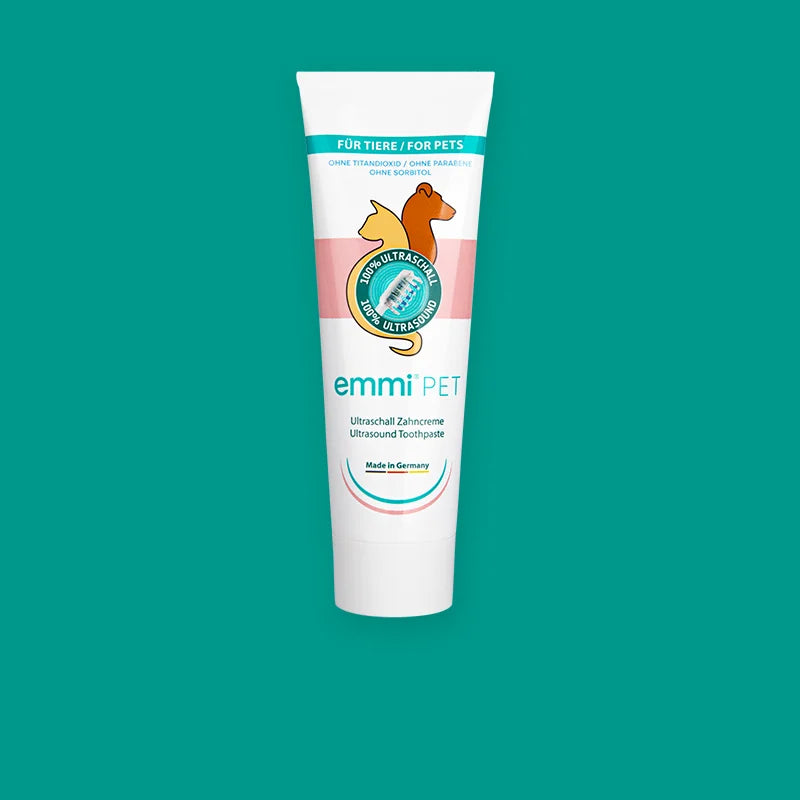
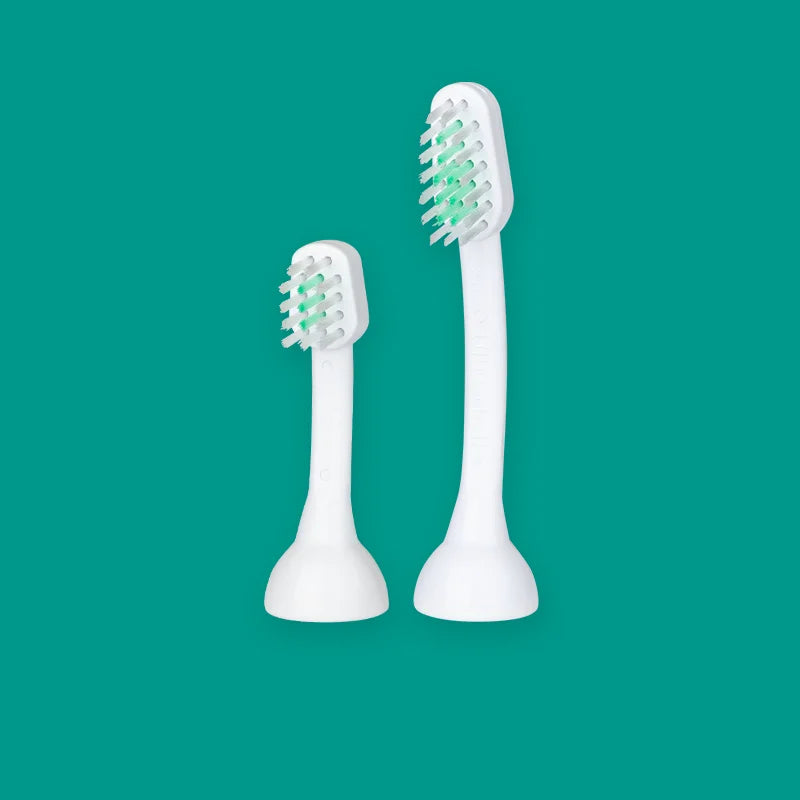
Oral hygiene can also be easily integrated into such rituals. In a relaxed atmosphere, without time pressure or loud noises, it is much better accepted by many dogs. Dental care is then not experienced as an unpleasant procedure, but as part of a familiar routine that fosters closeness.
Grooming has a double benefit in winter. It provides physical support by promoting balance in the mouth, and emotional support by fostering trust and relaxation. This combination is precisely what makes grooming rituals so valuable during the cold season for fresh breath, healthy mucous membranes, and a harmonious relationship.
Small everyday adjustments with a big impact
Often, it doesn't take major changes to positively influence a dog's winter breath odor. Even small adjustments to daily routines can help restore balance in the mouth and significantly reduce unpleasant smells. The key is a combination of attention, routine, and gentleness.
These measures have proven particularly effective in winter:
- Several water bowls around the apartment to encourage your dog to drink regularly.
- Conscious selection of chew treats ; preferring high-quality and targeted options rather than permanently available ones.
- Regularly check the mouth to detect changes early.
- Established care rituals that create calm, closeness, and reliability.
- Gentle dental care without pressure , especially during sensitive winter periods
- Calm daily routines that reduce stress and relieve the body
These small steps don't work in isolation, but rather in combination. They stimulate saliva production, soothe mucous membranes, and help keep odor-causing bacteria in check. At the same time, they strengthen the bond between you and your dog and make grooming a positive part of your daily routine.
Especially in winter, it is worthwhile to take a closer look and give the dog support where the environment and season demand more of him.